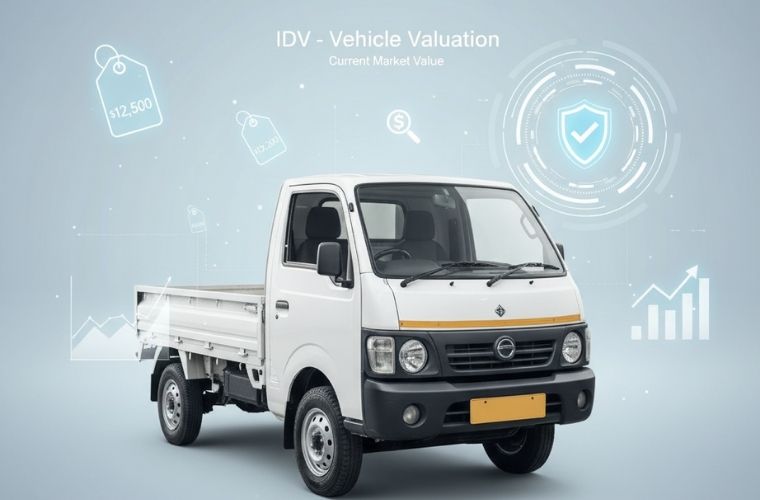
Understanding IDV for LCV Owners – A Simple Explanation
Most LCV owners hear the word IDV (Insured Declared Value) at the time of taking insurance, but very few understand how important it actually is. Your IDV decides:
-
Your insurance premium
-
Your maximum claim amount
-
Your vehicle’s valuation
Let’s break it down in the simplest way.
What Is IDV?
IDV is the current market value of your vehicle, i.e., the maximum amount your insurer will pay if your LCV is stolen or declared a total loss.
Formula:
IDV = Market Value of Vehicle – Depreciation
Depreciation Chart (As per Indian standards)
| Vehicle Age | Depreciation % | |
|---|---|---|
| 0–6 months | 5% | |
| 6–1 year | 15% | |
| 1–2 years | 20% | |
| 2–3 years | 30% | |
| 3–4 years | 40% | |
| 4–5 years | 50% |
Why Is IDV Important?
✔ 1. Affects Your Premium
Higher IDV → Higher premium
Lower IDV → Lower premium
✔ 2. Affects Your Claim Amount
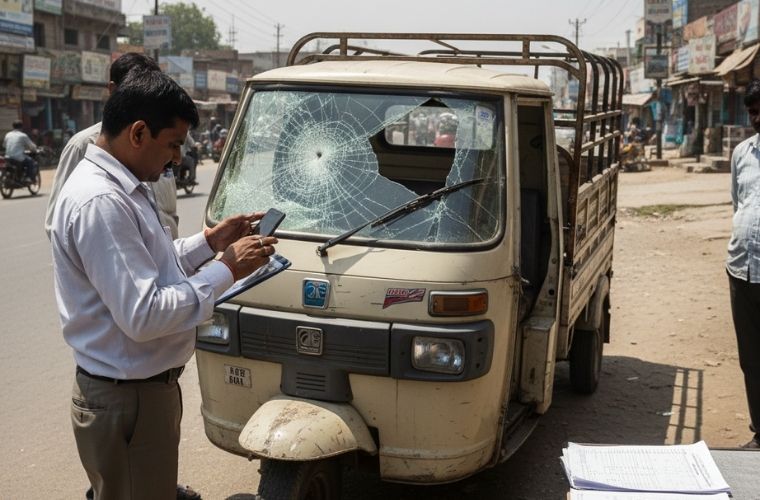
If IDV is low, your claim payout will be low.
✔ 3. Ensures Fair Compensation
Correct IDV ensures you don’t face financial loss during accidents or theft.
Common Mistakes Owners Make
-
Choosing very low IDV just to reduce premium
-
Not updating IDV during renewals
-
Accepting whatever value insurer suggests
Always cross-check your LCV’s market value before finalizing IDV.

.webp)
.webp)