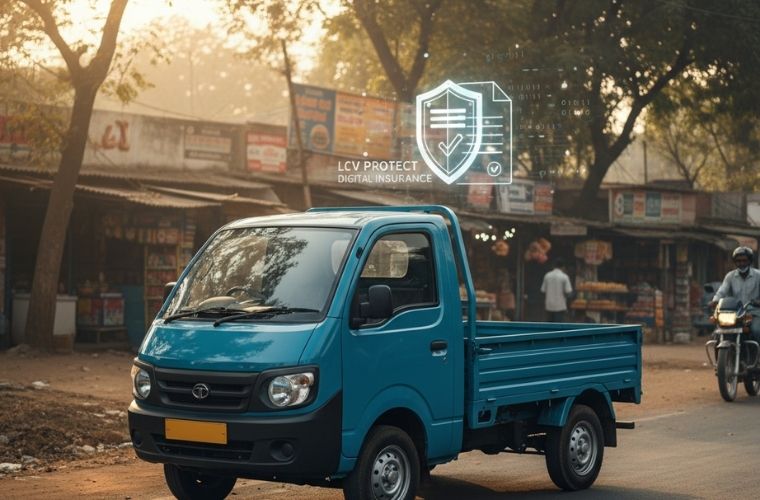
LCV Insurance 2025 – What It Really Means & Why Every Owner Needs It
Light Commercial Vehicles (LCVs) are the backbone of India’s growing logistics and transportation sector. Whether it’s small businesses delivering goods within a city or transport companies handling interstate loads, LCVs like Tata Ace, Bolero Pickup, Mahindra Supro, and Ashok Leyland Dost are running from dawn to midnight. Because these vehicles work in demanding conditions, even a small accident or breakdown can pause your income for days. That’s why LCV insurance is no longer optional—it’s a business necessity.
What Exactly Is LCV Insurance?
LCV insurance is a specialised motor insurance policy designed for goods-carrying commercial vehicles up to a certain weight category. Its purpose is simple—protect your vehicle, your business, and your finances.
It provides coverage against:
-
On-road accidents
-
Third-party injuries and property damage
-
Theft or total loss
-
Fire and man-made disasters
-
Natural calamities like flood, cyclone, landslide
-
Personal Accident Cover for drivers
In short, LCV insurance ensures that no unexpected incident stops your business operations.
Types of LCV Insurance Policies
1. Third-Party Liability (Mandatory by Law)
This is legally required under the Motor Vehicles Act. It protects you from legal and financial liabilities if your vehicle damages:
-
Another vehicle
-
Public property
-
A third-party person
But remember: it does NOT cover your own vehicle’s damage.
Use this only if:
-
Your vehicle is old
-
You have very limited usage
-
You want minimum legal compliance
2. Comprehensive Insurance (Highly Recommended)
This policy covers everything included in third-party insurance PLUS:
-
Damages to your vehicle
-
Fire, theft, natural calamities
-
Load-related damages
-
Personal Accident cover
-
Add-ons such as Zero Depreciation, Engine Protection, etc.
This is the best option for commercial vehicles because LCVs face higher daily risks.
Why LCV Insurance Is Crucial in 2025
The commercial transport sector has evolved, and so have risks. Here’s why every owner needs strong insurance in 2025:
1. Increased Road Traffic
With e-commerce growth, thousands of delivery vehicles run daily, increasing collision chances.
2. Expensive Spare Parts
BS6-compliant engines, sensors, and electrical components have doubled repair costs.
3. High Theft Rates
Smaller commercial vehicles are easy targets for theft, especially in metro cities.
4. Heavy Daily Usage
LCVs usually run 100–200 km daily, meaning more wear and tear.
5. Business Loss Risk
If your vehicle stops, your income stops. Insurance ensures quick repair support.
Most Useful Add-Ons for LCV Owners
Choosing the right add-ons can protect you from major expenses.
🔹 Zero Depreciation Cover
Ideal for new vehicles—gets full claim without depreciation cuts.
🔹 Engine Protect
Must-have for flood-prone cities.
🔹 Roadside Assistance (RSA)
Helpful if your vehicle breaks down during deliveries or on highways.
🔹 Consumables Cover
Covers items like oil, nuts, bolts—very helpful for LCVs.
🔹 Return to Invoice
In case of total loss or theft, you get invoice value instead of IDV.
Common Mistakes LCV Owners Make
Many owners lose money because of simple mistakes:
- Buying the cheapest policy
- Hiding commercial modifications
- Not checking insurer’s claim support
- Letting the policy lapse
- Choosing incorrect IDV
Avoid these mistakes to get maximum protection.
Conclusion
LCV insurance is far more than legal compliance—it is protection for your business, vehicle, driver, and income. With the correct policy, right IDV, and suitable add-ons, you can reduce financial stress and keep your vehicle running without worry.
If your livelihood depends on your LCV, your insurance should be strong enough to protect that livelihood.
.webp)
.webp)